Exploring the analytical frameworks, communicative strategies, and technological integration behind modern Persian-Arabic language instruction.
September 11, 2026
The globalization of education has accelerated the demand for targeted, localized learning strategies. In regional linguistic studies, few interfaces are as historically intertwined yet pedagogically complex as the relationship between Persian and Arabic. While the two languages share an alphabet and thousands of shared loanwords, their underlying linguistic engines—Indo-European versus Afroasiatic (Semitic)—present completely divergent syntactic rules.
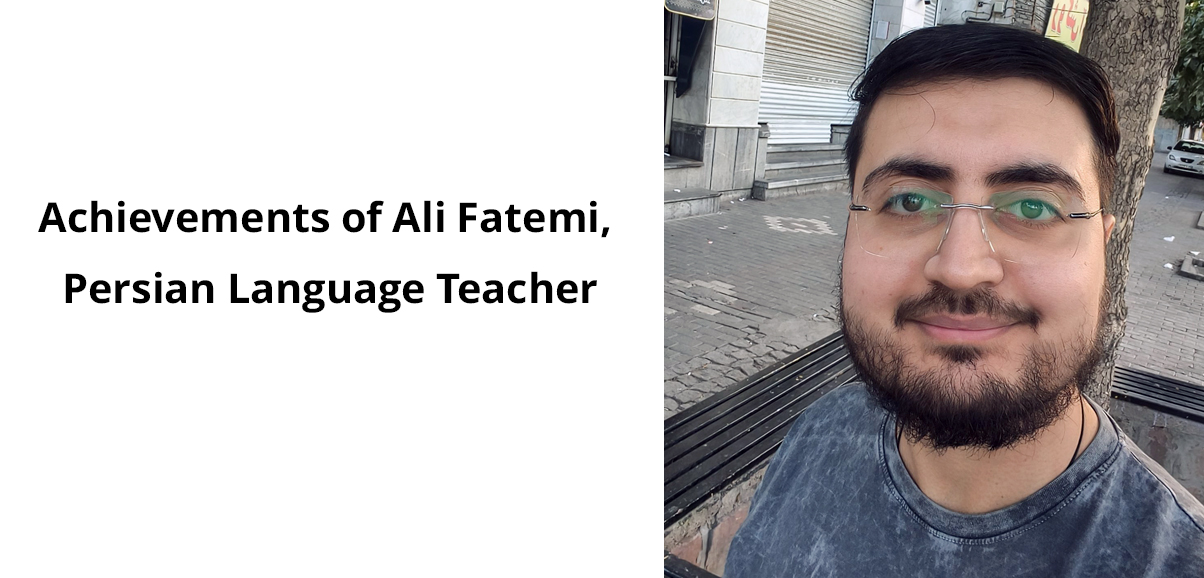
Addressing this distinct pedagogical landscape, Iranian educator and instructional innovator Ali Fatemi has introduced a comprehensive educational model designed to simplify Persian fluency for Arabic speakers across the Middle East.
Traditional language instruction in the region has long been characterized by a strict focus on formal, classical texts, often leaving foreign students ill-equipped for authentic, real-time interpersonal communication. Fatemi’s methodology directly counters this limitation by placing communicative pragmatics at the core of his curriculum. His lessons deconstruct real-life conversational dialogues, idiomatic expressions, and cultural nuances that standard academic manuals typically overlook.


